
Blog
Moisturizer for Oily Skin: Why Oily Skin Needs Moisturizer?


Introduction
- Hook: “Think moisturizer will make oily skin greasier? Think again!”
- Address the myth: Oily skin isn’t about excess oil but imbalanced hydration.
- Keyphrase placement: Use “moisturizer for oily skin” naturally in the first 100 words.
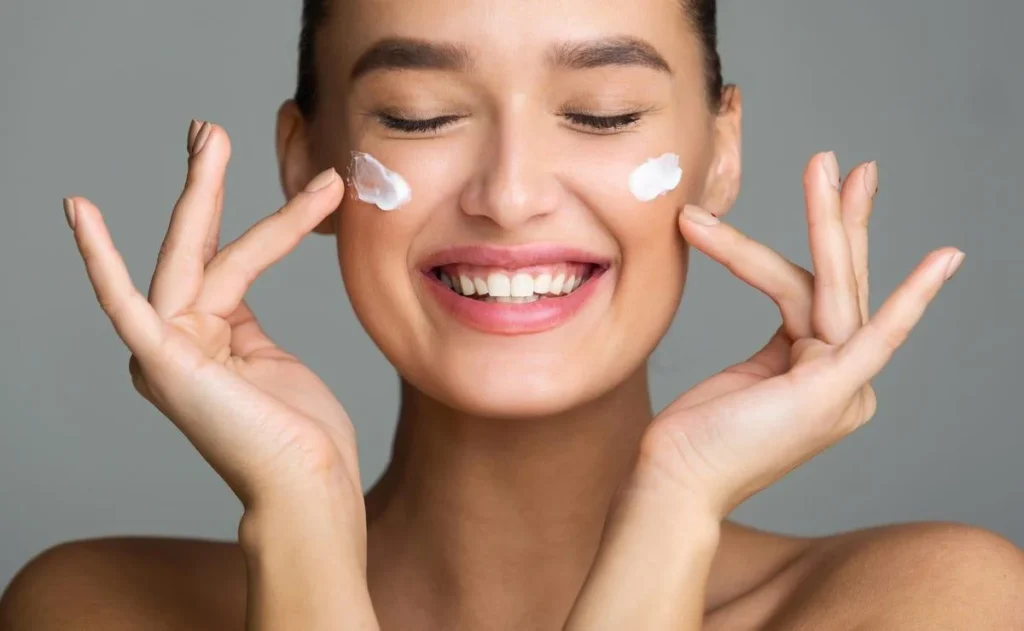
Why Oily Skin Needs Moisturizer
- The Science of Overproduction (H3)
- Explain how dehydrated skin triggers sebum production (oil to compensate for lack of moisture).
- Stats: “60% of oily skin types are actually dehydrated.” (Source a dermatology study if possible).
- Barrier Protection (H3)
- Healthy skin barrier = fewer breakouts. Moisturizers prevent environmental damage and irritation.
- Prep for Other Products (H3)
- Serums and sunscreen work better on hydrated skin.
How to Choose the Right Moisturizer for Oily Skin (H2)
- Look for These Labels (H3)
- Oil-free and non-comedogenic (won’t clog pores).
- Lightweight textures: Gel-creams, water-based formulas.
- Key Ingredients to Seek (H3)
- Hyaluronic Acid: Hydrates without heaviness.
- Niacinamide: Balances oil, reduces pores.
- Zinc or Clay: Mattifies and controls shine.
- Ingredients to Avoid (H3)
- Heavy occlusives like petrolatum, mineral oil, or coconut oil.
- Product Recommendations (H3)
- List 3-5 popular moisturizers for oily skin (e.g., Neutrogena Hydro Boost, La Roche-Posay Effaclar Mat).
Pro Tips for Oily Skin Routines
- Layer Smartly: Cleanse → Tone → Light Serum → Moisturizer → Sunscreen.
- Blotting Papers: Use midday instead of skipping moisturizer.
- Nighttime Hydration: Opt for a slightly richer formula if using acne treatments.
FAQs
- “Can I skip moisturizer if I use sunscreen?”
- No! Sunscreen isn’t a moisturizer substitute.
- “Will moisturizer make my acne worse?”
- Only if it’s comedogenic—stick to oil-free formulas.
Conclusion
- Recap: Moisturizing oily skin prevents excess oil and breakouts.
- Call-to-Action: “Ready to balance your skin? Explore our curated moisturizer for oily skin.”
